
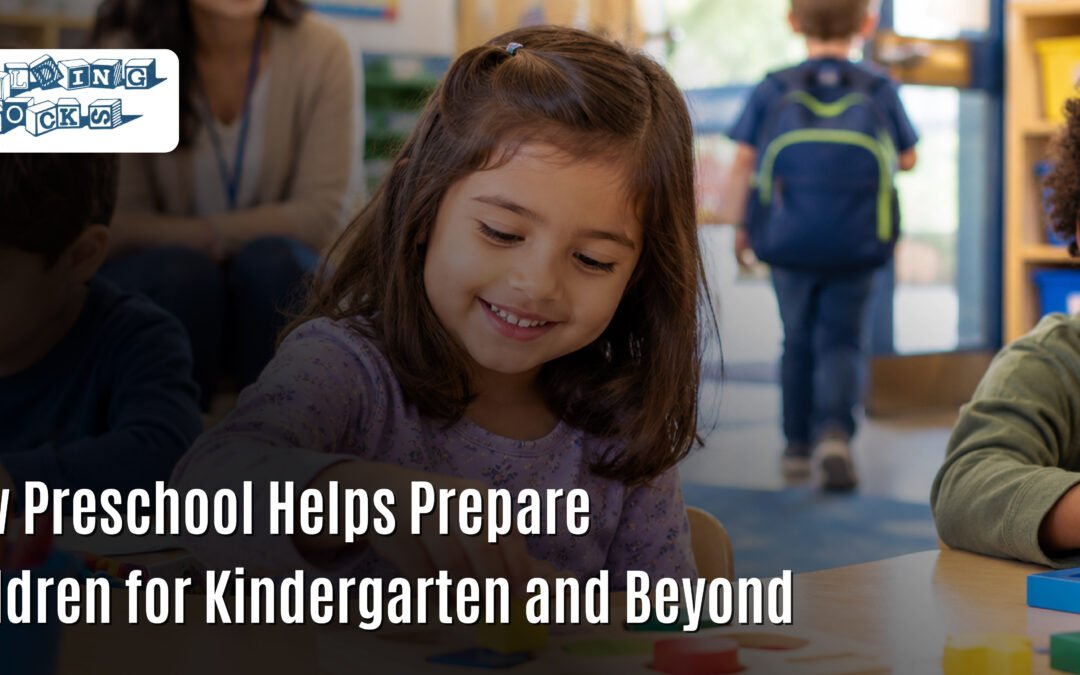
How Preschool Helps Prepare Children for Kindergarten and Beyond
The first day of kindergarten is a big moment for any child, and for the parents standing at the door. Children walk into a classroom with new routines, new faces, and new expectations: sit together, take turns, follow directions, and begin learning to read and count. Some children step in with confidence. Others feel overwhelmed. Very often, the difference comes down to the experiences they had in the years before.
That is where preschool makes its mark. Far more than a place to play while parents work, a quality program gives children structured chances to learn, socialize, and grow. This guide explains how preschool prepares children for kindergarten, which skills matter most, which preschool learning activities build them, and how the effects continue well beyond the early grades.
Schedule a School TourThe Importance of Early Childhood Education
The importance of early childhood education begins with how quickly young brains develop. During the first five years of life, children form neural connections at a remarkable pace, and those connections shape language, memory, attention, and emotional control. Rich, responsive experiences strengthen them. This makes the preschool years one of the best windows for building a foundation for lifelong learning.
Research from child development experts consistently links high-quality early learning to stronger outcomes later on. Children who attend good preschool programs tend to show better language skills, stronger early math ability, and healthier social behavior when they start school. These early childhood education benefits do not come from worksheets or pressure. They come from caring teachers, predictable routines, and activities designed around how young children actually learn, which is through play, exploration, and conversation.
Another reason early learning matters is that it levels the playing field. Children who spend time in an enriching group setting get exposure to vocabulary, stories, songs, numbers, and social experiences that might otherwise be limited. Teachers can also notice early signs of speech, hearing, or developmental concerns and help families find support sooner, when it often works best.
CTA: Enroll Your Child Today
Key Benefits of Preschool for Child Development
The benefits of preschool reach every part of a child’s growth. Here are the main areas where preschool benefits for child development show up:
- Social growth. Children learn to share, wait their turn, solve conflicts, and make friends.
- Emotional growth. They practice naming feelings, calming down, and handling separation from family.
- Language and literacy. Daily stories, songs, and conversations expand vocabulary and build listening skills.
- Early math and thinking. Counting, sorting, and pattern games lay the groundwork for numbers and problem-solving.
- Physical development. Running, climbing, drawing, and building strengthen both large and small muscles.
- Independence. Hanging up a coat, washing hands, and cleaning up after play build confidence and responsibility.
These areas connect. A child who can name a feeling is better able to ask for help. A child with strong finger muscles is more comfortable holding a pencil. A child who listens to stories is more ready to learn letters. Quality programs support all of these skills together rather than treating them as separate subjects.
How Preschool Prepares Children for Kindergarten
Parents often ask what children actually need to know before kindergarten. The answer is less about memorizing facts and more about building a set of habits and abilities. Preschool preparation for kindergarten focuses on the following kindergarten readiness skills.
Following routines and directions. Kindergarten days are structured, with circle time, lessons, centers, snack, and recess. Preschool introduces this rhythm gently. Children learn to listen to a teacher, follow two- or three-step directions, and move from one activity to the next without distress.
Self-regulation. Sitting for a short lesson, waiting for a turn, and handling disappointment are major skills for five-year-olds. In preschool, teachers coach children through these moments with simple strategies such as taking a breath, using words, or choosing a quiet activity.
Social skills. A kindergarten classroom is a busy community. Children who have practiced cooperating, sharing materials, and respecting classmates find it easier to settle in. Preschool also helps children get comfortable with being away from parents, which can reduce first-day anxiety.
Language and communication. Children who can express needs, ask questions, and retell simple stories are better prepared to join classroom discussions. Preschool teachers build language all day long by describing, asking open-ended questions, and introducing new words in context.
Early literacy. Preschool does not expect children to read fluently. It builds the foundation: recognizing their own name, identifying some letters and sounds, enjoying books, understanding that print carries meaning, and holding a pencil or crayon.
Early math. Counting objects, recognizing numbers, comparing sizes, sorting shapes, and noticing patterns are common preschool activities that prepare children for kindergarten math.
Fine and gross motor skills. Cutting with child-safe scissors, stringing beads, and drawing strengthen the hand muscles needed for writing, while outdoor play builds balance and coordination.
Independence and self-help. Using the bathroom, washing hands, putting on a jacket, and opening a lunch container may seem small, but they free up teachers to focus on learning and give children pride in doing things themselves.
Together, these skills explain how preschool prepares children for kindergarten: it builds the whole child, not only the academic skills a classroom checklist might measure.
Preschool Learning Activities That Build Real Skills
Young children learn best through hands-on, playful experiences. Effective preschool learning activities look like fun, but each one has a purpose:
- Story time and read-alouds. Hearing books builds vocabulary, listening, and a love of reading. Asking “What do you think happens next?” develops thinking and prediction.
- Songs, rhymes, and fingerplays. Rhythm and rhyme help children hear the sounds in words, an important step toward reading.
- Block and building play. Stacking and constructing teach early math, spatial thinking, teamwork, and problem-solving.
- Pretend play. Playing house, doctor, or store builds imagination, language, empathy, and social skills.
- Art and sensory play. Painting, playdough, and collage strengthen fine motor skills and let children express ideas and feelings.
- Sorting, counting, and pattern games. Using buttons, blocks, or snacks makes early math concrete and playful.
- Outdoor play and movement. Running, jumping, and climbing build coordination, burn energy, and support focus later in the day.
- Circle time. Group songs, calendar talk, and sharing time teach children to listen, wait, and take part in a group.
- Science and nature exploration. Planting seeds, watching the weather, and examining bugs spark curiosity and questions.
Easy Ways to Continue the Learning at Home
Parents can reinforce preschool preparation for kindergarten with simple daily habits:
- Read together for at least 15 to 20 minutes a day and talk about the pictures.
- Count everyday objects such as stairs, apples, or toys.
- Give your child small jobs, like setting napkins on the table.
- Practice routines, including a regular bedtime and morning schedule.
- Let your child draw, cut, and build with safe materials.
- Talk about feelings and model how to solve problems calmly.
These small moments multiply the benefits of preschool and show your child that learning happens everywhere.
Beyond Kindergarten: Long-Term Benefits of Early Learning
The early childhood education benefits do not stop at the kindergarten door. A strong start helps children build confidence as learners, and confidence tends to carry forward. Children who feel capable in the early grades are more likely to participate, ask questions, and stay curious.
Over time, the skills built in preschool support reading and math in elementary school, along with attention, teamwork, and emotional resilience. Children who learn to manage frustration and work with others in preschool often find it easier to handle group projects, friendships, and the changing demands of school. Studies of high-quality early programs have also linked them to better school engagement and healthy habits later in life, although results vary by program quality and a child’s circumstances.
It is also worth remembering that preschool is a partnership. When teachers and parents share observations, celebrate progress, and address concerns early, children feel supported at school and at home.
How to Choose a Quality Preschool
Not every program offers the same experience, so visit in person and watch how the staff interact with the children. Consider these questions:
- Is the licensed program safe, clean, and well supervised, with appropriate staff-to-child ratios?
- Are the teachers warm, responsive, and trained in early childhood education?
- Does the daily schedule balance play, learning, outdoor time, rest, and meals?
- Does the curriculum support social, emotional, physical, and cognitive growth, not just academics?
- Is the program age-appropriate, with activities that fit each stage of development?
- How does the center communicate with families about progress and concerns?
- Do the children seem happy, engaged, and comfortable?
Trust your instincts too. The right preschool is one where your child feels safe and excited to return, and where you feel welcome as a partner.
When Should a Child Start Preschool?
Most children begin preschool at around age three or four, but the right time depends on your child’s readiness and your family’s needs. Signs of readiness include curiosity about other children, the ability to be apart from a parent for a short time, and growing interest in tasks such as drawing or building. If you are unsure, talk with a pediatrician or local early childhood educators for guidance.
Give Your Child a Strong Start With Building Blocks Child Care Center
If you are looking for a caring place to turn these ideas into everyday experiences, Building Blocks Child Care Center serves families in Newburgh, NY, and the surrounding area. Our program is built around the whole child, with educational, social, cultural, and emotional development that is age-appropriate for our students. Through play, music, stories, creative projects, and friendly group activities, we help children build confidence, curiosity, and the kindergarten readiness skills they need to thrive. We would love to meet your family, show you around, and talk about how we can support your child’s next big step.
Building Blocks Child Care Center
Newburgh, NY 12550
Contact Us TodayFAQs
Q1. How does preschool prepare children for kindergarten?
Preschool builds early literacy, math, communication, social, and problem-solving skills that help children adjust to kindergarten.
Q2. What skills do children learn in preschool?
Children learn letters, numbers, sharing, following instructions, communicating, and developing independence.
Q3. At what age should a child start preschool?
Many children start preschool between ages 3 and 4, depending on their development, family preferences, and school requirements.
Q4. Is preschool necessary before kindergarten?
Preschool is not always required, but it can help children develop the academic, emotional, and social skills needed for kindergarten.
Q5. How can parents help children prepare for kindergarten at home?
Parents can read together, practice counting, encourage independent tasks, establish routines, and arrange playtime with other children.